
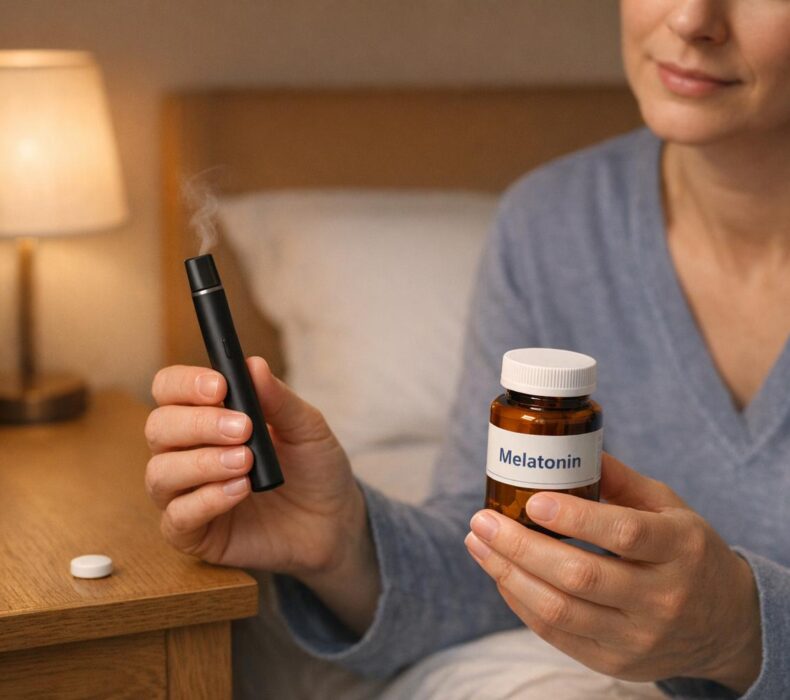
Melatonin vapes are marketed as a fast-acting sleep aid, delivering melatonin directly to the bloodstream through the lungs. While they work faster than oral supplements (10–20 minutes vs. 30–120 minutes), they come with safety concerns due to unregulated ingredients, potential lung risks, and inconsistent dosing. Here’s a quick breakdown:
Pros:
- Quick effects: Sleep onset in 10–20 minutes.
- Smaller doses needed: Higher absorption compared to pills.
- No nicotine: Non-addictive alternative to nicotine vapes.
- Convenient: Portable and easy to use.
Cons:
- Health risks: Potential lung irritation and harmful additives.
- Inconsistent dosing: Hard to measure exact melatonin intake.
- Limited research: Long-term effects are unknown.
- Possible medication interactions: Can interfere with certain drugs like birth control or blood thinners.
- Unregulated products: Quality and safety vary widely.
Quick Comparison:
| Feature | Melatonin Vapes | Oral Melatonin (Pills/Gummies) | Liquid/Spray Melatonin |
|---|---|---|---|
| Onset Time | 10–20 minutes | 30–120 minutes | 20–30 minutes |
| Dosing Accuracy | Low | High | Moderate |
| Health Concerns | Lung risks, additives | Minimal | Minimal |
| Research Backing | Limited | Extensive | Moderate |
| Best Use Case | Immediate relief | Chronic sleep issues | Faster onset without inhalation |
If you need fast results and are willing to accept potential risks, best melatonin vapes might appeal to you. However, for consistent dosing and safety, oral options like pills or sprays remain the better choice. Always consult a healthcare provider before trying new sleep aids.
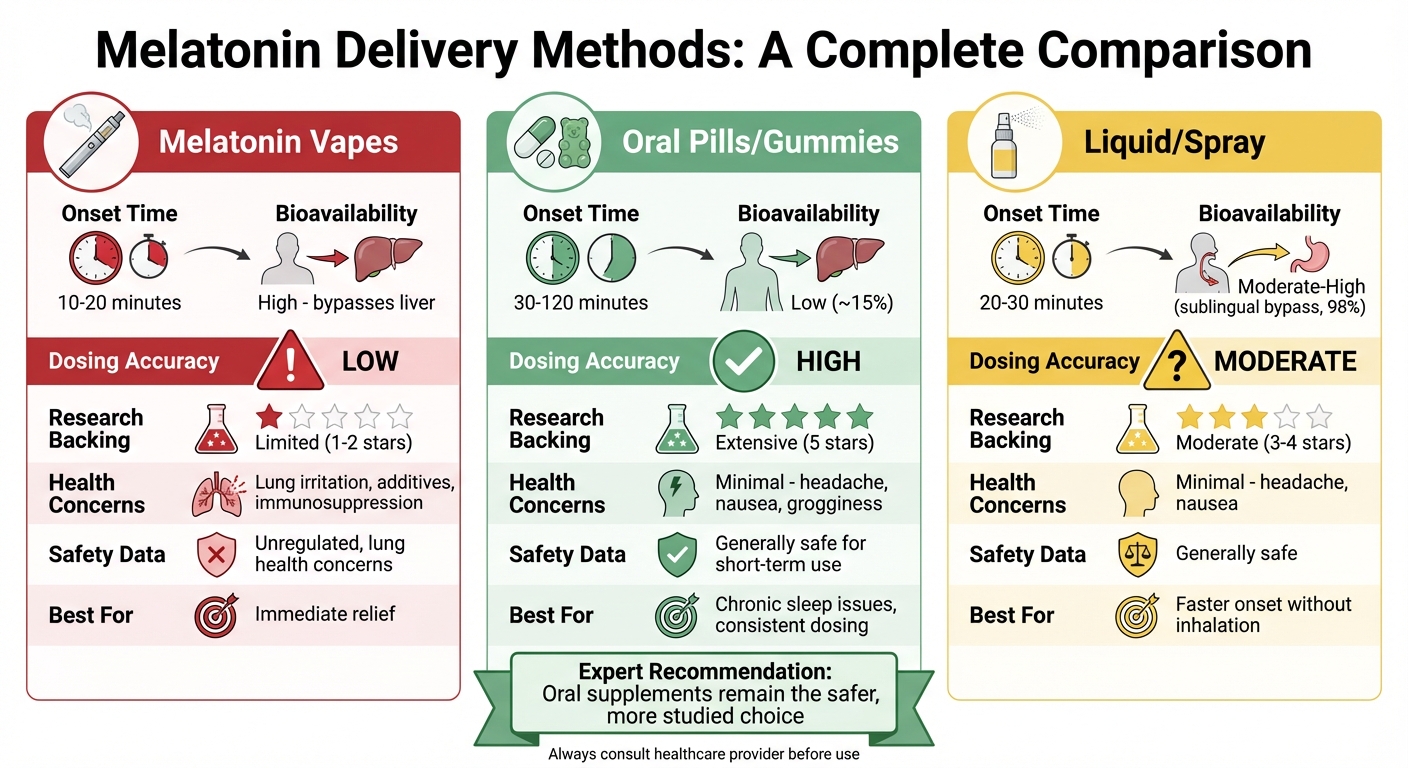
Melatonin Vapes vs Pills vs Spray: Onset Time, Safety & Dosing Comparison
1. Fast-Acting Effects
Onset of Effects
One of the standout benefits of melatonin vapes is how quickly they take effect. When you inhale melatonin, it bypasses the digestive system and liver metabolism, entering your bloodstream directly through the lungs. This process allows the effects to kick in within just 10 to 15 minutes [7,4]. Compare that to traditional pills or gummies, which can take anywhere from 30 minutes to 2 hours to work [7,3].
Dr. Rizwan Bashir, a neurologist, puts it simply:
"When you vape melatonin, it enters the bloodstream almost immediately. This means that when vaping melatonin, you’ll experience its effects much faster than taking melatonin pills."
Another factor is bioavailability, or how much of the melatonin your body actually absorbs. With oral melatonin supplements, bioavailability is around 15%, meaning much of the dose is lost during digestion. Liquid melatonin supplements and essential oil vapes, while much more efficient with a bioavailability of 98%, still take about 20 to 30 minutes to deliver noticeable effects. Melatonin vapes, however, combine high absorption with speed, allowing for faster results.
Thanks to this efficiency, melatonin vapes generally require smaller doses. For instance, a typical serving from some vape devices is about 10 inhales, which delivers approximately 1.3 mg of melatonin. This is significantly less than the dose often needed with oral supplements. Users frequently report falling asleep in under 20 minutes, with many saying they feel drowsy in just 10 minutes after a few puffs. Another bonus? Many users avoid the grogginess that can come with higher doses of oral melatonin [4,8].
For those dealing with jet lag or irregular sleep schedules, this quick onset can be incredibly helpful. To find the right balance for your body, it’s best to start with a low dose – around 0.5 to 1 mg – and adjust as needed.
sbb-itb-364f168
2. Better Sleep Quality and Duration
Sleep Quality and Duration
Melatonin vapes are often praised for their potential to improve both sleep duration and quality. These devices typically provide sleep support lasting between 4–8 hours, which is slightly shorter than the coverage offered by extended-release melatonin tablets. However, one notable advantage is that melatonin’s rapid metabolism through vaping helps reduce the likelihood of next-day grogginess, a common drawback of some oral sleep aids.
Scientific Evidence
While user experiences suggest benefits, there’s a lack of clinical studies to back up claims about improved sleep quality from melatonin vapes. Unlike oral melatonin, which has decades of research behind it, inhaled melatonin remains largely untested. Dr. Philip Forys, a pulmonologist at Indiana University, highlights this gap:
"While it’s possible this product may work, we really don’t know if this is an efficient delivery mechanism, as there have been no studies conducted on the effects of vaping melatonin."
For now, most of the support for melatonin vapes comes from user feedback rather than scientific trials. For example, MELO Air receives roughly 3,000 five-star reviews each year, with users frequently mentioning quicker sleep onset and waking up without grogginess. The MELO Plus line also garners high ratings, typically ranging from 4.25/5 to 4.62/5 across its various flavors.
That said, some experts remain skeptical about the efficiency of delivering melatonin through vaping. They point out that melatonin molecules, which measure around 250 nanometers, may not be as easily absorbed through the lungs as smaller molecules like nicotine. This raises questions about how effectively the compound reaches the bloodstream when inhaled.
3. Few Side Effects and No Addiction
Health Risks
While melatonin vapes offer quick effects and potential sleep benefits, they also come with notable health concerns related to side effects and dosage.
Compared to prescription sleep aids, melatonin vapes tend to cause milder side effects, including headaches, nausea, dizziness, abdominal cramps, low blood pressure, anxiety, confusion, and disorientation.
However, the vaping method itself raises red flags. Many melatonin vapes include ingredients like propylene glycol, vegetable glycerin, and botanical extracts (such as lavender or chamomile). When these additives are heated and inhaled, they may irritate lung tissue and lead to respiratory issues that haven’t been fully studied. A 2024 study in Chemical Research in Toxicology found that melatonin vape aerosols reduced chemokine secretion in human lung cells, triggered immunosuppressive gene expression, and contained potential contaminants, including industrial chemicals and unlisted pharmaceuticals.
Another significant issue is dosing precision. Unlike melatonin pills, which deliver a consistent milligram dosage (usually between 1–10 mg for adults), vapes make it hard to measure how much melatonin is inhaled with each puff. Marc Sala, Assistant Professor of Medicine at Northwestern University, emphasizes this challenge:
"Vaping is a far less accurate way of trying to dose medication".
This lack of precision increases the risk of consuming excessive amounts, which can lead to overdoses above 30 mg.
These health and dosing concerns highlight the importance of understanding melatonin’s non-addictive properties from a scientific standpoint.
Scientific Evidence
Melatonin itself is not considered physically addictive. Dr. Marri Horvat, a sleep specialist at Cleveland Clinic, explains:
"Melatonin is not known to be an addictive supplement. Typically, if someone is concerned that they are having side effects, they can stop the medication altogether".
Unlike nicotine vapes, melatonin vapes don’t interfere with the body’s natural production of the hormone. This means users won’t experience withdrawal or need to taper off their use.
That said, melatonin vapes can interact poorly with certain medications, such as hormonal birth control, blood thinners, diabetes treatments, and immunosuppressants. Women taking birth control should be especially cautious. Since hormonal contraceptives naturally boost melatonin levels, adding more through vaping could cause levels to spike dangerously, increasing the likelihood of side effects.
4. Respiratory and Lung Health Concerns
Health Risks
While melatonin vapes promise quick sleep relief, they may also expose the lungs to harmful aerosols. Inhaling these heated aerosols can introduce potentially dangerous substances to delicate lung tissue. Research has started to shed light on the risks involved.
A 2024 study conducted by the University of North Carolina (UNC) examined three popular melatonin vape brands. Researchers exposed human bronchial epithelial cells to just 40 puffs of aerosol, which deposited 0.66 mg/cm² of material. The results were striking: the exposure altered the expression of 1,028 genes in lung cells, compared to only 183 genes affected by liquid melatonin treatment.
The heating process used in these vapes creates additional risks. E-liquids, typically made of propylene glycol, vegetable glycerin, and botanical extracts, undergo thermal oxidation when heated. This reaction produces new chemical compounds not present in the original solution. Alarmingly, 60% of the compounds found in the aerosol condensates were unique to the aerosolized form. Even more concerning, tests revealed unlisted contaminants in some products, including industrial chemicals, a pesticide called alloxydim, and pharmaceuticals like Cyprodenate and Pivagabine. Shockingly, one brand (Cloudy) contained no detectable melatonin at all, unlike lab-tested options like HealthVape SOOTHE.
The effects of these aerosols on lung health are troubling. Studies show they can weaken lung defenses by reducing chemokine secretion and damaging airway barriers. Kevin D. Schichlein and his colleagues at UNC highlighted this issue:
"Melatonin vape exposure decreased the secretion of chemokines and produced an immunosuppressive gene expression signature."
Scientific Evidence
These findings raise serious questions about the safety of melatonin vapes. Marc Sala, an Assistant Professor of Medicine at Northwestern University, posed a critical question:
"If you’re inhaling melatonin plus an essential oil, plus propylene glycol, is that trade-off worth getting a faster melatonin effect? Especially compared to just taking the pill 30 minutes before bedtime?"
Broader concerns about vaping-related lung injuries add to the skepticism. By January 2020, the CDC had reported 2,602 hospitalizations and 67 deaths tied to vaping-associated lung injury (EVALI). While many of these cases were linked to Vitamin E acetate in unregulated THC vapes, the incidents underscore how quickly inhaled substances can harm lung tissue.
Timothy Fong, a Professor of Psychiatry at UCLA‘s Addiction Medicine Clinic, emphasized the risks:
"At this time, no vaping of any product is 100% safe."
The long-term effects of inhaling heated carriers like vegetable glycerin remain unclear, a central concern in the rise of vitamin vapes. Although melatonin molecules are small – approximately 250 nanometers, well within the respiratory absorption threshold of 10 microns – scientists still don’t know if the lungs can safely process these particles over extended periods. This uncertainty highlights the potential trade-offs between quicker melatonin delivery via vaping and the safety of traditional oral supplements.
5. Limited Long-Term Research
Scientific Evidence
Melatonin vapes first appeared around 2016, meaning their long-term effects are still a mystery. Kevin D. Schichlein from the University of North Carolina at Chapel Hill highlighted this glaring gap in research:
"To the best of our knowledge, no studies have been conducted investigating the pulmonary effects and toxicity of melatonin vaping products."
This lack of data leaves both the pulmonary and overall health impacts of inhaled melatonin largely unknown.
Health Risks
One major concern is how the body processes inhaled melatonin versus the more familiar oral form. When taken as a pill, melatonin has a bioavailability of about 15%, thanks to the liver filtering much of it during digestion. However, inhaling melatonin skips this process entirely, potentially resulting in higher levels in the bloodstream and raising concerns about hormone imbalances.
Another issue is dosing. Melatonin pills typically come in clearly labeled doses, such as 3 mg or 5 mg. Vaping, on the other hand, delivers melatonin in unpredictable amounts depending on how long or deeply someone inhales. This variability, coupled with a lack of regulatory safety checks, makes it difficult to gauge how much melatonin a user is actually consuming.
Timothy Fong, a Psychiatry Professor at UCLA, summed up the uncertainty surrounding these products:
"I’m happy to vape melatonin created by a pharmaceutical company after years of safety testing [but that isn’t the case now]."
Adding to the concern is the unknown impact of heating e-liquids repeatedly. This process can create thermal oxidation products, whose effects on the body remain unstudied. Furthermore, the long-term risks of inhaling substances like propylene glycol and other carriers used in these vapes are still unclear. Without rigorous clinical trials, melatonin vapes continue to be an untested alternative to traditional sleep aids.
Is Cloudy Worth It? Personal Melatonin Diffuser

Comparison Table
Here’s a quick look at how melatonin vapes, oral pills or gummies, and liquid or spray options stack up for sleep support:
| Feature | Melatonin Vapes | Oral Melatonin (Pills/Gummies) | Oral Melatonin (Liquid/Spray) |
|---|---|---|---|
| Onset Time | 1–15 minutes | 30–120 minutes | 20–30 minutes |
| Bioavailability | High (bypasses liver) | Low (~15%) | Moderate (sublingual bypass) |
| Research Backing | Limited; relatively new | Extensive; well-established | Moderate to High |
| Side Effects | Lung irritation, immunosuppression, anxiety | Headache, nausea, dizziness, grogginess | Headache, nausea, dizziness |
| Safety Data | Lung health concerns; unregulated | Generally safe for short-term use | Generally safe |
| Dosing Accuracy | Inaccurate; varies by puff | Highly accurate and consistent | Accurate |
| Best Use Case | Immediate sleep onset | Chronic insomnia, jet lag, shift work | Faster onset without inhalation |
This table lays out the strengths and weaknesses of each option. Melatonin vapes work quickly – just 1–15 minutes – thanks to direct lung absorption. On the other hand, oral pills take longer (30–120 minutes) because they pass through the digestive system. However, pills offer precise and consistent dosing, typically between 0.5 mg and 5 mg, and are backed by decades of research.
Vapes, while fast, have inconsistent dosing since it depends on how deeply you inhale. They also come with safety concerns, such as potential lung irritation and the risks tied to inhaling substances like propylene glycol or essential oils. Liquid or spray forms strike a balance, offering a quicker onset than pills without the need for inhalation.
For regular sleep issues, oral supplements remain the safer and more thoroughly studied choice. Vapes may appeal to those needing immediate relief but come with trade-offs in safety and reliability. This comparison sets the stage for understanding the broader considerations in the conclusion.
Conclusion
Melatonin vapes work quickly – usually within 10–20 minutes – compared to the 30–120 minutes it takes for oral pills to kick in. But this speed comes with some serious concerns. The dosing can be inconsistent, and inhaling additives like propylene glycol or essential oils may pose risks to lung health. These factors make it essential to weigh the pros and cons when considering sleep aids.
Oral melatonin supplements, such as pills, gummies, or liquid sprays, remain a safer and more thoroughly studied option. They offer precise dosing (typically 0.5–5 mg) and have decades of research backing their use. As Dr. Marc Sala of Northwestern University explains:
"I would not recommend inhaling melatonin, whether or not inhaling it as a sleep agent would be effective. Taking it [orally] has fewer uncertainties".
The choice between vapes and oral supplements boils down to balancing speed and safety. If you need fast relief for occasional sleeplessness and don’t have respiratory issues, melatonin vapes might suit your needs. However, for ongoing sleep support, managing chronic insomnia, or if safety is your top priority, oral supplements are the smarter choice.
Always consult a healthcare provider before using melatonin, especially if you’re taking blood thinners, diabetes medications, or hormonal birth control. And don’t forget the basics of good sleep hygiene: stick to a consistent bedtime, avoid blue light before sleep, and create a cool, dark sleeping environment.
FAQs
How can I tell what dose I’m getting from a melatonin vape?
To determine the melatonin dose from a vape, look at the product’s label or packaging. This should specify the melatonin concentration per puff or inhalation, as the dosage can differ between products. Make sure to check this information carefully so you know exactly how much you’re taking.
What lung or respiratory risks should I worry about with melatonin vapes?
Melatonin vapes could pose risks to lung and respiratory health. They may irritate the alveoli – the tiny air sacs in the lungs – potentially causing inflammation or other respiratory problems. That said, the long-term effects of using melatonin vapes remain largely unknown due to limited research.
Who should avoid melatonin vapes because of medications or health conditions?
People who take medications influencing the liver enzyme CYP1A2 – like some antidepressants or blood thinners – or individuals with respiratory or lung conditions should steer clear of melatonin vapes. These products could lead to health risks or interfere with current treatments.
Related Blog Posts
- Do Melatonin Vapes Actually Help You Sleep?
- Vitamin Vapes vs Traditional Supplements: Which Works Better?
- Best Melatonin Vape Brands in 2026
- Can’t Sleep? How Melatonin Vapes Can Help
Related: Melatonin Vapes Vs Gummies