

Caffeine vaping and energy drinks are two popular ways to boost energy, but they work differently and come with unique risks. Caffeine vapes deliver an almost instant jolt by inhaling vapor, while energy drinks provide a slower, more predictable boost through digestion.
Key Takeaways:
- Caffeine Vaping: Fast effects, zero calories, no sugar, but potential respiratory irritation and unknown long-term risks.
- Energy Drinks: Predictable dosage, widely available, but often high in sugar and calories, with risks to heart health and sleep.
Quick Overview:
- Caffeine Vaping: Works in seconds, portable, calorie-free, but lacks regulation and research.
- Energy Drinks: Well-studied, sugar-heavy, slower to take effect, and may disrupt sleep.
Choose based on your priorities, but both come with health concerns. For safer options, consider coffee or tea. You can also explore energy and focus support through vitamin-based alternatives.
Pros and Cons of Caffeine Vaping
Benefits of Caffeine Vaping
Caffeine vaping provides an almost immediate energy boost by skipping the digestive process. This makes it especially useful when you need to feel alert right away. Unlike many energy drinks, which are often packed with added sugars, the best caffeine vapes deliver a calorie-free alternative. Plus, their small, portable design makes them easy to carry, giving you an energy boost whenever and wherever you need it.
Another advantage is the ability to control your dosage. With 10 to 20 puffs roughly equaling one cup of coffee, you can adjust your intake to suit your energy needs, potentially avoiding the jitters that sometimes come with a strong cup of coffee.
Drawbacks of Caffeine Vaping
Despite the convenience, caffeine vaping isn’t without its downsides. One major concern is irritation to the respiratory system. Inhaling substances like propylene glycol or vegetable glycerin, common in vape liquids, can lead to coughing and throat discomfort. The rapid absorption of caffeine through vaping may also cause spikes in heart rate and blood pressure, which could be risky for individuals with certain health conditions.
Another issue is the lack of long-term research. Since caffeine vaping is relatively new, we don’t yet know the full effects of regularly inhaling vaporized caffeine. Adding to the uncertainty, many caffeine vapes are not FDA-regulated, which raises questions about the quality of ingredients, dosing accuracy, and overall safety. Some experts also question the effectiveness of the delivery method, suggesting that caffeine might sublimate and settle in the airways instead of being fully absorbed.
Lastly, the ease and portability of caffeine vapes could lead to overuse. Their discreet nature might encourage users to take "just one more puff", potentially resulting in excessive caffeine consumption. While toxic doses are relatively high (around 150–200 mg per kilogram of body weight, or approximately 1,770 rapid puffs), overuse can still lead to side effects like insomnia, tremors, and heart palpitations.
sbb-itb-364f168
Pros and Cons of Energy Drinks
Advantages of Energy Drinks
Energy drinks are everywhere – whether you’re at a gas station or grocery store, they’re one of the easiest ways to grab a quick caffeine boost. With caffeine levels ranging from 70 to 240 mg per 16-ounce can, combined with high sugar content, they provide a fast energy surge that can help fight fatigue and sharpen focus.
These drinks don’t just give you a quick pick-me-up; they can also enhance both mental and physical performance. Research shows they improve cognitive functions like alertness, concentration, and memory, especially for those running on little sleep. For example, one study noted that a combination of 160 mg of caffeine and taurine improved cyclists’ time-trial performance by 4.7% and helped runners shave 2.8% off their 5-km times. Many energy drinks also include ingredients like B vitamins and taurine, which support metabolism and may assist with muscle recovery. Plus, there are plenty of options to suit different tastes – sugar-free choices, concentrated 2-ounce shots, and plant-based versions with natural caffeine.
But while energy drinks can deliver benefits, they come with some serious risks.
Disadvantages of Energy Drinks
The same ingredients that make energy drinks effective – like sugar and stimulants – can also be problematic. A single 16-ounce can often contains 54–62 grams of sugar, far exceeding recommended daily limits. Regularly consuming that much sugar can contribute to weight gain, reduced insulin sensitivity, and a higher risk of Type 2 diabetes. It can also wreak havoc on your teeth, leading to decay and enamel erosion due to the drinks’ high acidity.
Heart health is another concern. A systematic review revealed that energy drinks caused noticeable spikes in heart rate in 60.9% of studies, raised systolic blood pressure in 53.8%, and prolonged the QTc interval – a warning sign for potentially fatal heart arrhythmias – in 63.2% of studies. There are even reports of cardiac arrests linked to energy drink consumption, with three cases resulting in death. Dr. Marc-Alain Babi, Chief of Neurocritical Care at Cleveland Clinic Florida, cautions:
"When it comes to these popular drinks, it’s really buyer beware. We’re also seeing more and more reports of patients who have experienced serious side effects."
Another major downside is how energy drinks can disrupt sleep. Studies show they increase the likelihood of insomnia by over five times, which can trap users in a cycle of poor sleep and more caffeine consumption to combat fatigue. Other side effects include jitteriness, anxiety, tremors, and, in extreme cases, seizures, hallucinations, acute kidney injury, or liver failure. Mixing energy drinks with alcohol is another risky behavior, as the caffeine can mask alcohol’s effects, leading to binge drinking and dangerous decisions. Alarmingly, emergency room visits for caffeine overdoses among middle schoolers more than doubled between 2017 and 2023, raising concerns about these drinks’ popularity among younger audiences.
How to Beat That Energy Slump: Dr. Oz Smokes Caffeine | Oz Wellness
Health Comparison: Caffeine Vaping vs Energy Drinks
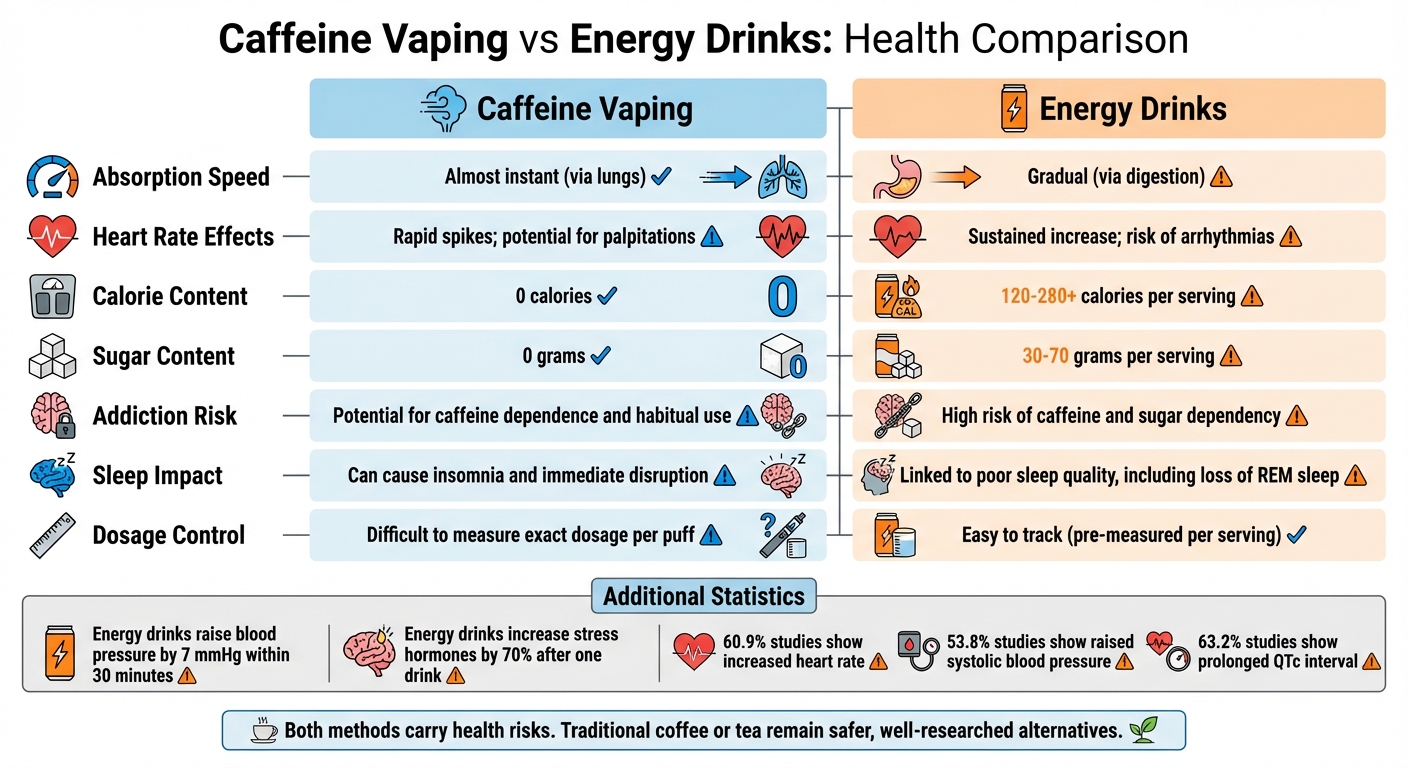
Caffeine Vaping vs Energy Drinks: Health Comparison Chart
When it comes to caffeine consumption, the key differences between vaping and energy drinks go beyond just what you’re consuming – they’re about how your body handles it and the potential health effects.
Caffeine vapes deliver caffeine almost instantly through lung absorption, while energy drinks rely on digestion, which can delay effects by several minutes to an hour. This quick delivery from vaping can significantly alter how your body reacts. Dr. Dana Hunnes, Senior Dietitian at UCLA Medical Center, highlights a critical concern:
"Just because a product delivers caffeine doesn’t mean it’s safe. We simply don’t know what inhaling these compounds does over time".
Another major difference lies in calorie and sugar content. Caffeine vapes contain zero calories and no sugar, making them an option for individuals mindful of weight or blood sugar levels. On the other hand, energy drinks are often loaded with both. A single 16-ounce can may pack 30 to 70 grams of sugar (about 15 teaspoons) and contribute 120 to over 280 calories.
The cardiovascular effects also vary. Vaping caffeine can cause rapid spikes in heart rate and blood pressure due to its fast absorption. Energy drinks, while slower to take effect, can lead to sustained increases in blood pressure and heart rate. Studies show that consuming just one energy drink can raise blood pressure by 7 mmHg within 30 minutes, even in healthy individuals. Dr. Anna Svatikova, a cardiologist at Mayo Clinic, adds:
"Not only does the blood pressure increase rapidly, but the stress hormones increase by about 70 percent after drinking one energy drink".
Comparison Table: Key Health Metrics
| Metric | Caffeine Vaping | Energy Drinks |
|---|---|---|
| Absorption Speed | Almost instant (via lungs) | Gradual (via digestion) |
| Heart Rate Effects | Rapid spikes; potential for palpitations | Sustained increase; risk of arrhythmias |
| Calorie Content | 0 calories | 120–280+ calories per serving |
| Sugar Content | 0 grams | 30–70 grams per serving |
| Addiction Risk | Potential for caffeine dependence and habitual use | High risk of caffeine and sugar dependency |
| Sleep Impact | Can cause insomnia and immediate disruption | Linked to poor sleep quality, including loss of REM sleep |
| Dosage Control | Difficult to measure exact dosage per puff | Easy to track (pre-measured per serving) |
| Regulation | Often unregulated with varying quality | Regulated as beverages or supplements |
Both methods have their downsides. Caffeine vaping removes sugar and calories but delivers caffeine so quickly that it’s easy to overconsume. Energy drinks, while offering clear dosage control, come with high sugar content and prolonged cardiovascular effects, which can be problematic with frequent use.
Next, we’ll dive into the long-term health risks tied to each approach, particularly their impact on the heart and other systems.
Long-Term Health Risks
Cardiovascular and Other Health Risks
Using caffeine vapes or energy drinks regularly can come with serious heart-related risks, though they differ in how they affect the body.
Studies show that energy drinks can significantly impact cardiovascular health. For instance, 60.9% of studies found they increase heart rate, while 53.8% reported a rise in systolic blood pressure. Drinking 32 fl oz of energy drinks can extend the QTc interval by nearly 20 milliseconds, which raises the risk of arrhythmias. Over time, frequent consumption may contribute to chronic hypertension and even structural changes in the heart.
Caffeine vaping presents a different set of risks, though research is still catching up. Early findings suggest that nicotine-free vaping aerosols can harm blood vessel function, cause oxidative stress, and stiffen arteries. Ivana Jukic and her team highlighted:
"Nicotine-free e-cigarettes produce reproducible acute cardiovascular effects… preclinical evidence highlights biologically plausible mechanisms, including mitochondrial dysfunction and proarrhythmogenic potential".
Additionally, the heating process in caffeine vapes can release harmful chemicals like formaldehyde and acrolein – byproducts of propylene glycol and vegetable glycerin – which are known to cause vascular inflammation.
Energy drinks also carry mental health risks. Users are 5.02 times more likely to experience insomnia compared to non-users, and among children and adolescents, 35.4% report insomnia while 19.8% report suicidal thoughts or behaviors. Caffeine vapes, with their rapid absorption, can trigger anxiety or panic attacks almost immediately.
Making Health-Conscious Choices
Being aware of these risks can help guide smarter caffeine consumption decisions. People with heart conditions, hypertension, arrhythmias, or long QT syndrome should avoid both energy drinks and caffeine vapes entirely. For others, the choice depends on what matters most.
Energy drinks allow for precise dosage – you know exactly how much caffeine you’re consuming – but they often come loaded with sugar and calories, which can lead to type 2 diabetes and obesity if consumed frequently. Limiting intake to less than five cans per week may reduce the risk of cardiovascular and mental health issues.
Caffeine vapes, on the other hand, avoid the calories and sugar but make it hard to control how much caffeine you’re actually getting. The rapid absorption bypasses the digestive system, which normally helps regulate caffeine intake. If you opt for vaping, avoid high-temperature practices like "dripping" liquid onto heated coils, as this dramatically increases the production of harmful aldehydes. Stick with nicotine-free products from reliable sources, such as those reviewed on No Nic Vapes, to minimize risks.
For a safer alternative, traditional options like black coffee or green tea provide controlled caffeine doses with decades of research supporting their safety. Neither caffeine vaping nor energy drinks offer the same level of long-term safety assurance.
Conclusion
After examining the comparisons, it’s clear that both caffeine vaping and energy drinks provide a quick energy boost, but each comes with its own set of concerns.
Energy drinks deliver caffeine in a measurable dose, as indicated on their labels. However, their high sugar and calorie content can lead to issues like weight gain, type 2 diabetes, and tooth damage. While these drinks are well-studied and come with established safety guidelines, overconsumption continues to be a significant risk.
On the other hand, caffeine vaping offers a sugar-free, calorie-free alternative, delivering caffeine almost instantly through the lungs. But this method exists in a regulatory gray area, lacking FDA oversight. This raises concerns about dosage accuracy and the purity of ingredients. Experts also point out that the long-term health effects of inhaling vaporized caffeine are still unknown. Moreover, heating agents like propylene glycol used in these devices can produce harmful substances, including formaldehyde.
The potential risks – ranging from cardiovascular problems to respiratory issues – highlight the need for caution. Health writer Lindsay Fox succinctly puts it:
"Vaping caffeine seems to be trading one innocuous habit [drinking coffee] for a probably slightly more dangerous one… it does seem like an unnecessary risk".
Ultimately, your choice should align with your priorities. Energy drinks provide a more predictable caffeine intake but should be consumed in moderation, with sugar-free options being the safer bet. Caffeine vapes eliminate sugar but introduce respiratory risks that are not yet fully understood. For a safer and more time-tested alternative, traditional options like black coffee or green tea remain the best choices, offering controlled caffeine intake supported by decades of research.
FAQs
How much caffeine am I actually getting from a caffeine vape?
Caffeine vapes generally deliver around 1.5 mg of caffeine per 10 breaths, which is a lot less than what you’d get from your average cup of coffee. That said, the actual amount can differ based on the specific product. Make sure to review the product’s details to know exactly how much caffeine you’re getting.
Which is worse for your heart: caffeine vaping or energy drinks?
Research indicates that energy drinks may pose a greater threat to heart health compared to caffeine vaping. This is largely because energy drinks are loaded with high levels of caffeine and sugar, which can lead to increased heart rate, higher blood pressure, and potential long-term risks to the cardiovascular system. On the other hand, nicotine-free caffeine vapes skip the sugar and other harmful additives found in energy drinks. While caffeine itself can cause a temporary increase in heart rate, using nicotine-free caffeine vapes responsibly is considered to have a less severe impact on heart health.
What’s the safest way to get a quick caffeine boost?
The best way to get a quick caffeine boost is by sticking to coffee or tea in moderation. These beverages have been around for ages and come with well-documented safety records. On the other hand, caffeine vaping is a newer trend. While it’s free of sugar and calories, there’s not enough long-term safety data to fully understand its effects. Energy drinks, though popular, can be risky if consumed excessively, potentially leading to issues like a faster heart rate or elevated blood pressure. If you’re looking for the safest and most reliable option, coffee or tea is still your best bet.